- Home
- Aviation Training
Aviation Training
Three training tiers. One institutional boundary.
Basic professional training, aviation training and specialist technical training — delivered through authorized academies, aviation institutions and accredited technical providers, and stopping precisely where operational military training begins.
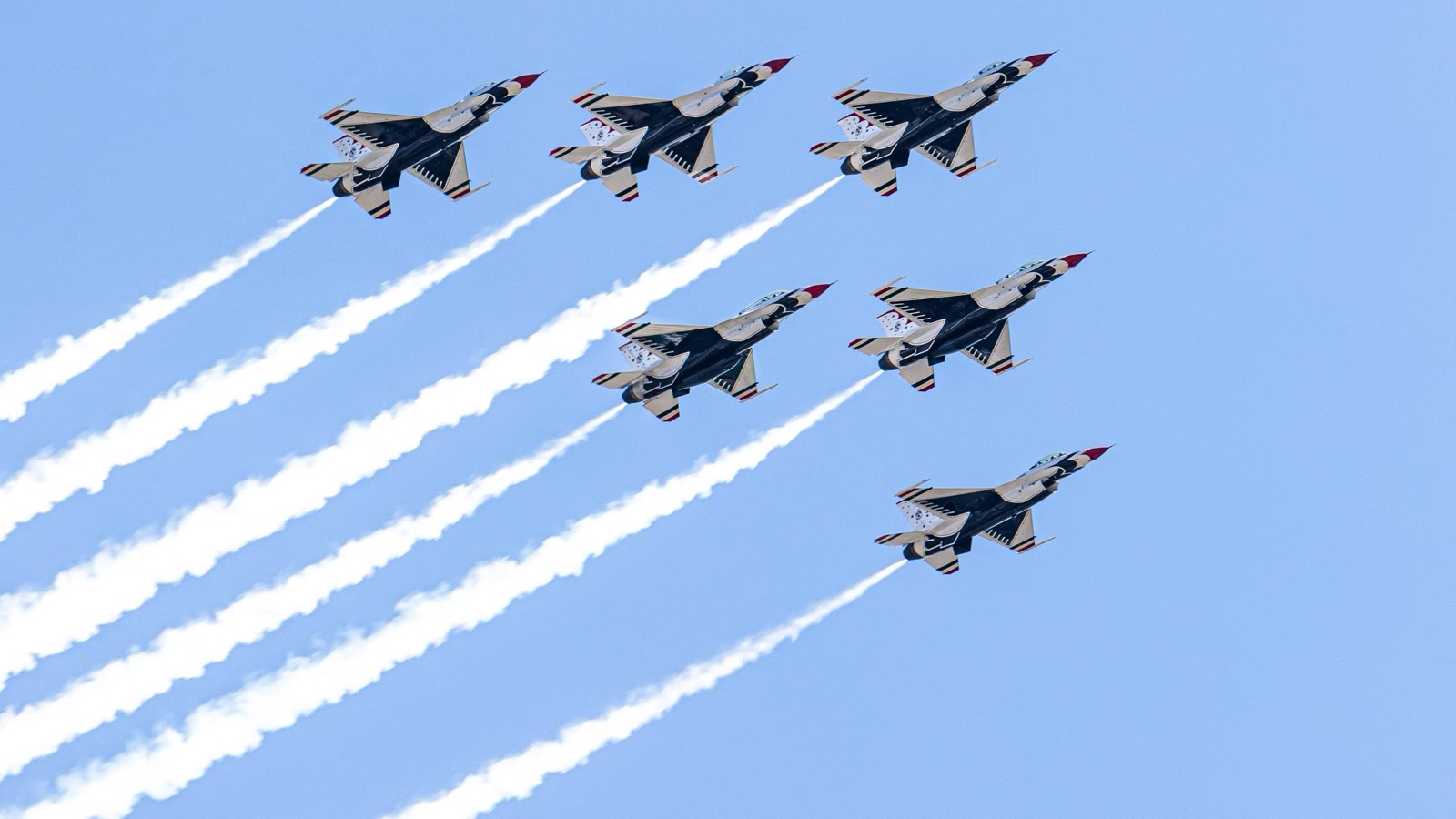
Training Structure
The three tiers of a training pathway
Each tier answers a different question: can this person operate professionally in a disciplined service environment; do they understand aviation; and can they perform a specific technical role to standard.
Basic professional training
The foundation tier. It establishes the professional conduct, physical readiness and safety discipline that every subsequent tier depends on — and it applies equally to an engineer, a medical officer and a logistics specialist.
This tier is professional and preparatory. It is not operational combat training, and it does not substitute for the military training that an authorized military institution delivers.
- A
Physical fitness
Conditioning to the standard required for the role and the environment.
- B
Discipline
Conduct, punctuality, accountability and procedural rigour.
- C
Military ethics
Professional and ethical obligations within a service context.
- D
Leadership
Responsibility, decision-making and supervision of others.
- E
Teamwork
Working within crews, shifts, sections and multi-trade teams.
- F
First aid
Immediate care and casualty handling to a recognised standard.
- G
Emergency response
Procedures for incident, fire, evacuation and airfield emergencies.
- H
Aviation safety culture
Reporting, just culture, human factors and error management.
Aviation training
The domain tier. It builds the shared aviation understanding that lets a technician, a communicator and a logistician work in the same operating environment without ambiguity.
Content, sequence and assessment are set by the delivering institution and the certifying authority, not by the platform.
- A
Aviation fundamentals
Principles of flight, airmanship and the aviation operating environment.
- B
Aircraft systems
Airframe, powerplant, hydraulic, electrical and control systems.
- C
Aviation maintenance
Maintenance philosophy, scheduling, documentation and airworthiness.
- D
Navigation principles
Navigation concepts, airspace structure and procedural awareness.
- E
Aviation communications
Radio discipline, phraseology and communications procedure.
- F
Airfield operations
Movement areas, ground handling, marshalling and airfield safety.
- G
Safety procedures
Hazard control, foreign-object damage prevention and safe systems of work.
Specialist training
The role tier. This is where a candidate becomes qualified to do a specific job to a certifiable standard — and it is the tier where the largest and most persistent capability gaps usually sit.
Certification is awarded by the certifying institution or authority. The platform records and tracks it; it does not issue it.
- A
Aircraft engineering
Aeronautical and airframe engineering disciplines.
- B
Avionics
Aircraft electronic systems, instrumentation and diagnostics.
- C
Electronics
Component-level electronics, test and repair.
- D
Mechanical systems
Hydraulics, pneumatics, powerplant and mechanical assemblies.
- E
Communications
Radio, satellite, network and signals systems.
- F
Cybersecurity
Defensive security for aviation and administrative systems.
- G
Information technology
Infrastructure, applications, data and user support.
- H
Medical services
Clinical, nursing, technician and emergency-care specialisms.
- I
Logistics
Supply chain, transport, warehousing and procurement.
- J
Air-base support
Infrastructure, facilities, ground operations and emergency services.
The Boundary
Operational combat training remains the responsibility of authorized military institutions.
This is not a caveat added to the end of a training page. It is the line that defines what this platform is, and it is drawn deliberately.
Professional, aviation and specialist technical training prepare a person to work safely and competently in an aviation environment. Operational combat training prepares a person to fight. The first can be coordinated across institutions; the second belongs exclusively to the sovereign state and the authorized military institutions it designates.
Within the platform's scope
- Basic professional training
- Aviation fundamentals and systems
- Specialist and technical training
- Certification tracking and currency
- Continuous professional development
Sovereign military authority
- Operational combat training
- Weapons and tactical instruction
- Military appointment and enlistment
- Rank, command and discipline
- Deployment and operational tasking
Weapons Training
Who provides weapons training, and under what law
It is a reasonable question to ask of anyone training people for an air force, so it is answered here rather than left to the boundary diagram above.
Not this platform
AirForceExporter.com does not provide, arrange, broker or subcontract weapons training, operational combat training or tactical instruction. It does not design the syllabus, employ the instructors, own, store, transport or supply weapons or ammunition, or operate ranges.
The provider would be the state
Weapons handling would be delivered exclusively by the authorized military institutions of the sovereign government concerned, or by a provider that government has specifically licensed for the purpose — and only after lawful appointment or enlistment. A person a state has not appointed is a civilian, and a civilian receiving military weapons instruction is a legal problem in almost every jurisdiction.
The platform's role is the record
Administrative and downstream only: confirming that government-set prerequisites have been met, supporting scheduling where asked, and recording that the authorized institution delivered and certified the instruction — so that currency can be tracked on the same six-month cycle as every other certification.
Legal provisions that would apply
- National arms and firearms law of the country where instruction takes place — licensing, custody, storage, transport and range authorization.
- Military law and service regulation of the receiving state, under which weapons handling attaches to appointment, rank and duty.
- Law of the supplying country, which in many states restricts nationals from entering foreign military service or receiving foreign military training without permission.
- Export control and technical-data regimes where instruction touches controlled items, systems or technical data.
- Sanctions, end-use and anti-mercenary provisions, screened before and throughout any engagement.
Illustrative and not legal advice. The applicable position differs in every jurisdiction and would be established with qualified local counsel before any programme touching this area was opened.
Delivery
Who would actually deliver the training
Categories of institution a programme would rely on. No institution is named, and no accreditation, partnership or affiliation is claimed.
Category A
Authorized military academies
Institutions designated by the government concerned to deliver service training.
Category B
Aviation institutions
Established aviation training organisations operating under civil or military oversight.
Category C
Certified training organizations
Providers holding recognised certification for the courses they deliver.
Category D
Technical education providers
Accredited technical and engineering education institutions.
Next
Training produces certification. Certification produces capability.
See how certification, currency and workforce records are administered across a service career.